The Pascommuck Conservation Trust

Preserving our past. Protecting our future.

  • Facebook
  • YouTube
  • Home
  • News & Events
    • Events Calendar
    • News & Events
    • Newspaper articles archives
  • Get Involved
    • Join The Trust / Make a donation!
    • Become a Volunteer
    • Attend a board meeting
    • Other Ways to Help
    • Archive for Get Involved
  • Contact Us
  • Protect Your Land
  • Properties
    • Mutter’s Field Accessible Trail
    • Brickyard Brook Conservation Area
    • Broad Brook Meadows Conservation Area
    • Edward J. Dwyer Conservation Area
    • Hannum Brook Conservation Area
    • John Bator Park Conservation Area
    • Old Pascommuck Conservation Area
    • Old Trolley Line Conservation Area
    • Pomeroy Meadows Conservation Area
    • White Brook Plains Conservation Area
    • Archive for Properties
  • Trail Maps
    • Map of all PCT properties
    • Brickyard Brook Conservation Area/Mutter’s Field Accessible Trail
    • Broad Brook Meadows Trail Map
    • Edward Dwyer Conservation Area Trail Map
    • Hannum Brook Conservation Area Trail Map
    • Old Pascommuck Conservation Area Trail Map
    • Old Trolley Line Trail Map
    • Pomeroy Meadows Trail Map
  • About Us
    • Contact Us
    • Board Meetings/Board of Directors
    • President’s reports – Annual Meetings
    • Current Newsletter
    • Bylaws
    • Financials (Form 990)
    • Newsletter Archive
    • Video Archive
Home > Archives for Featured

Angel Memorial – addition of a granite bench

December 7, 2015 by Michael Caron

On Sunday November 29th a small red granite bench was installed at the Angel Memorial located at John Bator park.  A dedication ceremony was held afterward.

Hundreds of local parents have mourned the losses of their children at the memorial in John Bator Park located on Williston Avenue. The monument is a replica of The Christmas Box Angel Memorial Monument in Salt Lake City, Utah, by sculptor Ortho Fairbanks. That statue was commissioned by Richard Paul Evans, author of the 1993 novel “The Christmas Box.” In the book, a woman mourns the death of her daughter at the base of a childlike angel statue.

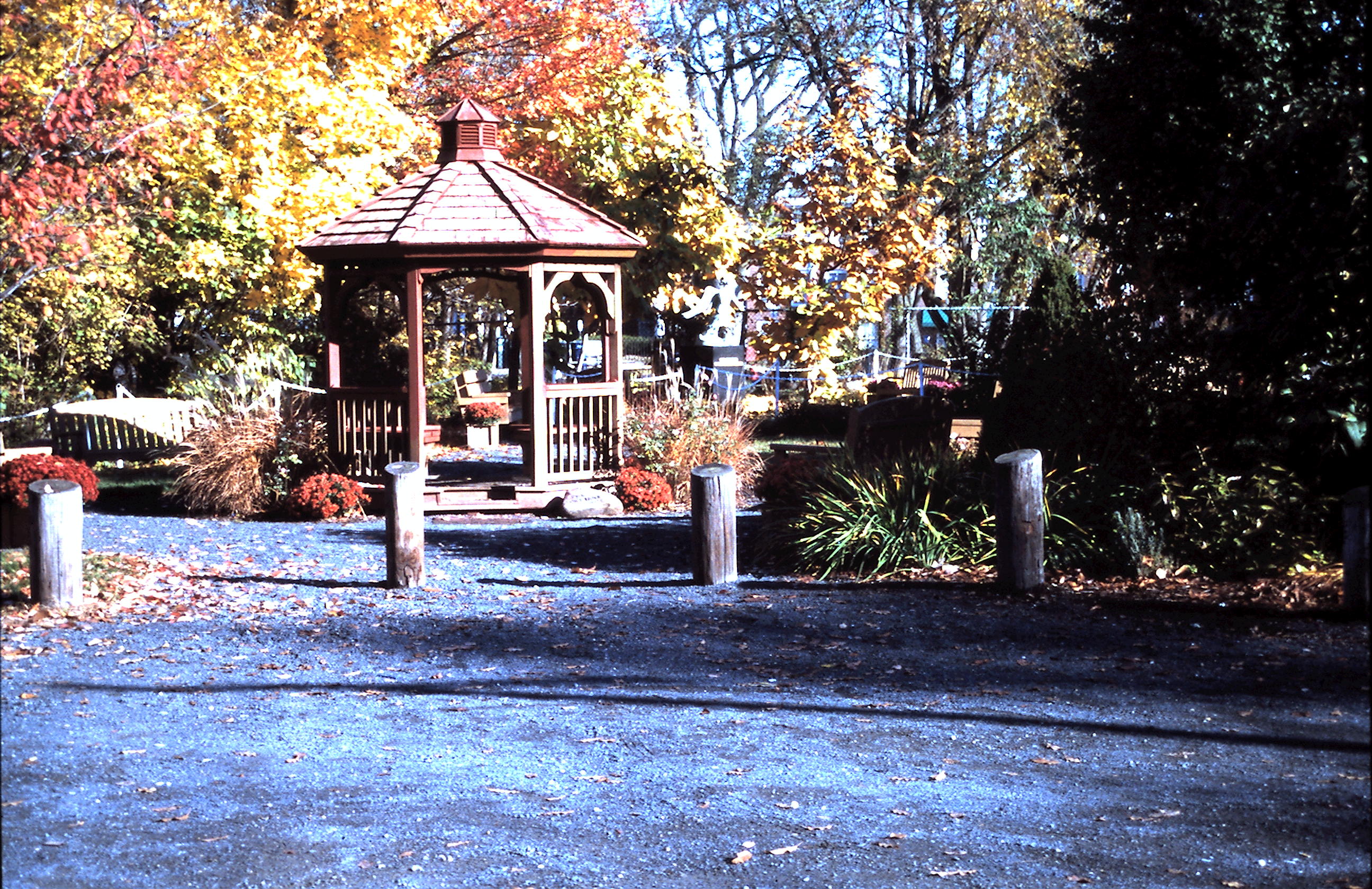
Future plans for the park include replacement of the gazebo which has suffered some vandalism in recent years.

Angel-Mem-granite-bench-front


Filed Under: Featured, News and Events

Mutter’s Field Accessible Trail

October 25, 2016

“A Place in Nature for Everyone”

In 2012, PCT acquired a 6 acre parcel of land, located between E. Green and East Streets, consisting of a large meadow, surrounding woodlands and two small brooks, adjacent to its most visited property, the Brickyard Brook Conservation Area (11 acres).  After considerable deliberation, the Board decided that, given the mostly flat terrain here and other factors, the property would be an ideal location for an accessible trail, designed for visitors of all abilities to use and enjoy.

The Mutter’s Field Accessible Trail (MFAT) consists of an 1800-foot loop skirting a 2-acre meadow, with a connection to our non-accessible, Brickyard Brook trail. The trail offers a quality, passive outdoor recreation opportunity for people of all abilities, in a tranquil setting with striking views of Mt. Tom. Along the trail, we’ve installed seven, beautiful accessible benches and picnic tables, built by Easthampton carpenter and PCT supporter, Kevin Mulligan.

IMG_4236Some of the features you will find here include:

  • An accessible picnic area, adjacent to the trail
  • Plantings of native grasses, flowering plants and shrubs
  • Two field stone raised bed butterfly gardens, planted with native flowering plants (donated by Dr. Leslie Harrington)
  • An entrance and parking area at East St. with 2 designated handicapped spaces
  • An improved entrance at the end of E. Green St.
  • An inclement weather shelter with two accessible benches

In the fall of 2016, we installed five colorful, interpretive signs, created to educate visitors about some of the natural features found at the trail. In addition, PCT began the process of controlling/eradicating non-native plants that have invaded much of the property. Over the next several years, we hope to restore it to a place where native plant species can flourish.

It is expensive to maintain a property like Mutter’s Field. PCT, an all-volunteer non-profit organization, has limited resources to keep this property looking beautiful. Therefore, we hope you will support us by donating to our MFAT maintenance endowment fund. We are also seeking volunteers to help out in a variety of ways. Please contact us if you’d like to contribute your time and skills to this most worthy cause.

Thank you to all who have helped make this dream a reality for all of us to enjoy!

Donate today

Become a Volunteer

Wood Duck Box Sunday

Please contact Molly Goodwin at goodmol@hotmail.com if you would like to volunteer.

The Pascommuck Conservation Trust is in need of volunteers of every skill level and ability for whatever time and energy you are willing to commit. We are an entirely volunteer organization, and truly appreciate all help that people can give. Perhaps you enjoy working outside in nature, meeting and talking to new people, writing about the environment and your community. Or you have a particular skill you enjoy using in art, woodworking, computers, finance, etc. Whatever your skill set we welcome you.

We are seeking volunteers on a number of different levels. The PCT is recruiting new Board of Director members who are willing to commit to one meeting a month along with other responsibilities commensurate with their skills and their personal level of dedication. Board members vote on issues such as property acquisition, property maintenance, fundraising, etc. For anyone with financial skills and interests we are also in need of a new Treasurer.

There are a number of PCT “Special Project Volunteers” who are involved on a less time consuming but equally vital role within the organization. These non-voting members volunteer for projects they enjoy within a time frame that fits in their own personal schedule. Their tasks range from property clean up to sign making to writing thank you notes and anything in between.

Your skill level is not as important as your commitment.  John Bator, Trust President, plans to meet with volunteers at each property to discuss what needs to be done, and answer any questions you may have.

Thank you for your efforts in helping to maintain Easthampton’s special places!

Pomeroy Meadows Conservation Area

Description:

This 16.3 acre property lies on the western edge of Easthampton, with the south branch of the Manhan River forming its western boundary. The majority of the property is wetland, but there is an upland component too.

The Red Maple Forest is the largest community. It includes a section of shrub wetland in the southern half, which is  made up of impenetrable silky dogwood and multiflora rose with some Morrow’s honeysuckle as well. A floodplain red maple forest on the northern section is mostly red maple in the canopy with a little elm and ash. There are lots of multiflora rose in the understory. This community also includes a narrow strip along the west boundary is a mixed hardwood forest with red and black oak, black birch and maple. Some streams enter into this portion from the east, coming down some steep and muddy ravines.

On an elevated bench at the north end is a White Pine Forest. This stand is a good habitat for roosting or nesting owls, hawks, or crows. The shrub layer in it is sparse, but contains lowbush blueberry, arrowwood, burning bush, glossy buckthorn, and Japanese barberry. These last three species are all invasive and likely colonized here following this stand’s history as a pasture, which is evidenced by some sprawling juniper bushes. In the ground layer are lots of seedlings of bittersweet along with such common plants as Christmas fern, Canada mayflower, intermediate wood fern, and princess pine.

The third community is a vernal pool almost completely filled with buttonbush.

The fourth community is a shallow marsh that is a beaver-flooded wetland with somewhat more diversity. In addition to buttonbush it also contains cut-grass, halberd-leaf tearthumb, dodder, and spotted touch-me-not. There is a small area of open water in the center.

The Manhan River itself is 20-25 ft wide, 1-3 ft deep, has a silty, sandy bottom, and mud banks 6-7 ft high. It is mostly unshaded in this section.

Assets:

The best features of this property are its relatively large size and its lack of disturbance by humans (except indirectly by the invasive plants). The conservation status of this property helps retain the integrity of the Manhan River corridor. The Manhan River here is classified as Living Waters Core Habitat and the conservation area itself is included in BioMap Core Habitat. The NHESP database indicates that three rare species have been recorded in the vicinity of this area.

The birds seen here are a mix of forest species, open-shrubby species, and those who utilize the river.

Accessible to the Public: Yes

Click here to view a virtual tour of Pomeroy Meadows.

Access to trails is at the end of Ranch Ave. Refer to maps.

John Bator Park Conservation Area

Description:

John Bator Park FallLocated on the south shore of Rubber Thread Pond and adjacent to City Hall, this tiny, but popular half-acre conservation in the center of town has big management issues, as well as many assets. The property, located on the south shore of Rubber Thread Pond is primarily used for fishing. The shoreline here is accessed by a trail through a forested strip between the pond and Lake Street. At the east side of the conservation area there is a small parking area,a gazebo, picnic site, and steps down to the water. At the west end of the property is a small open area under two large sugar maples.

The woods along the shore contain primarily sugar maple, red maple, and red oak, with lesser amounts of Norway maple, black locust, paper birch and white ash. The shrub layer is mostly sugar maple but also contains Norway maple, false indigo (a non-native but non-invasive species), Japanese barberry and several other native and non-native species. The ground layer is a mix of herbs, ferns, and grasses, most of which are native.

Assets:

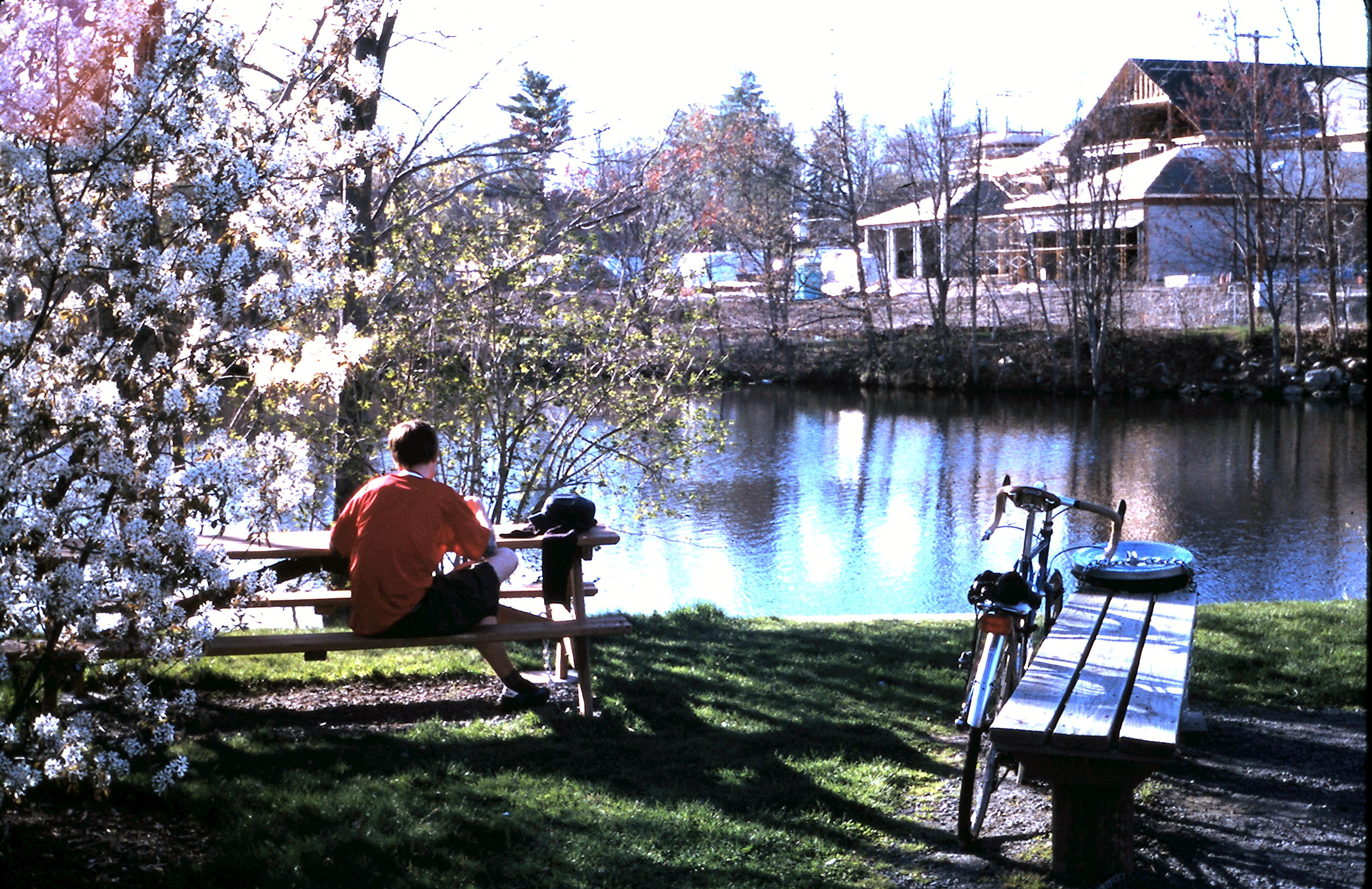
Despite the challenges from being an in-town park, this property provides city dwellers a taste of nature, and does have valuable habitat features for wildlife. The landscaped areaJohn Bator Park Spring has been thoughtfully planted with a variety of non-invasive fruit-bearing shrubs. A shadbush tree planted by the parking area provides ripe fruit for birds.

This park is a rejuvenating spot for people on their lunch break, nearby residents seeking some contact with nature, or for fishing.

Trails: Yes


  • « Previous Page
  • 1
  • …
  • 5
  • 6
  • 7
  • 8
  • Next Page »

Consider donating today! If applying for membership indicate membership under designation.

Donate today

Copyright © 2026 Pascommuck Conservation Trust · PO Box 806 Easthampton, MA 01027
Design by Jo Landers
Free Nonprofit Hosting courtesy of DreamHost